Frontline Safety
Phase I: Safety Leadership, Decision-Making, and Risk Tolerance of Frontline Supervisors
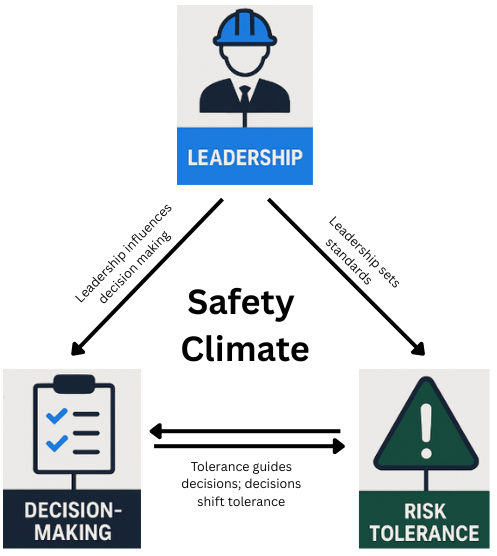
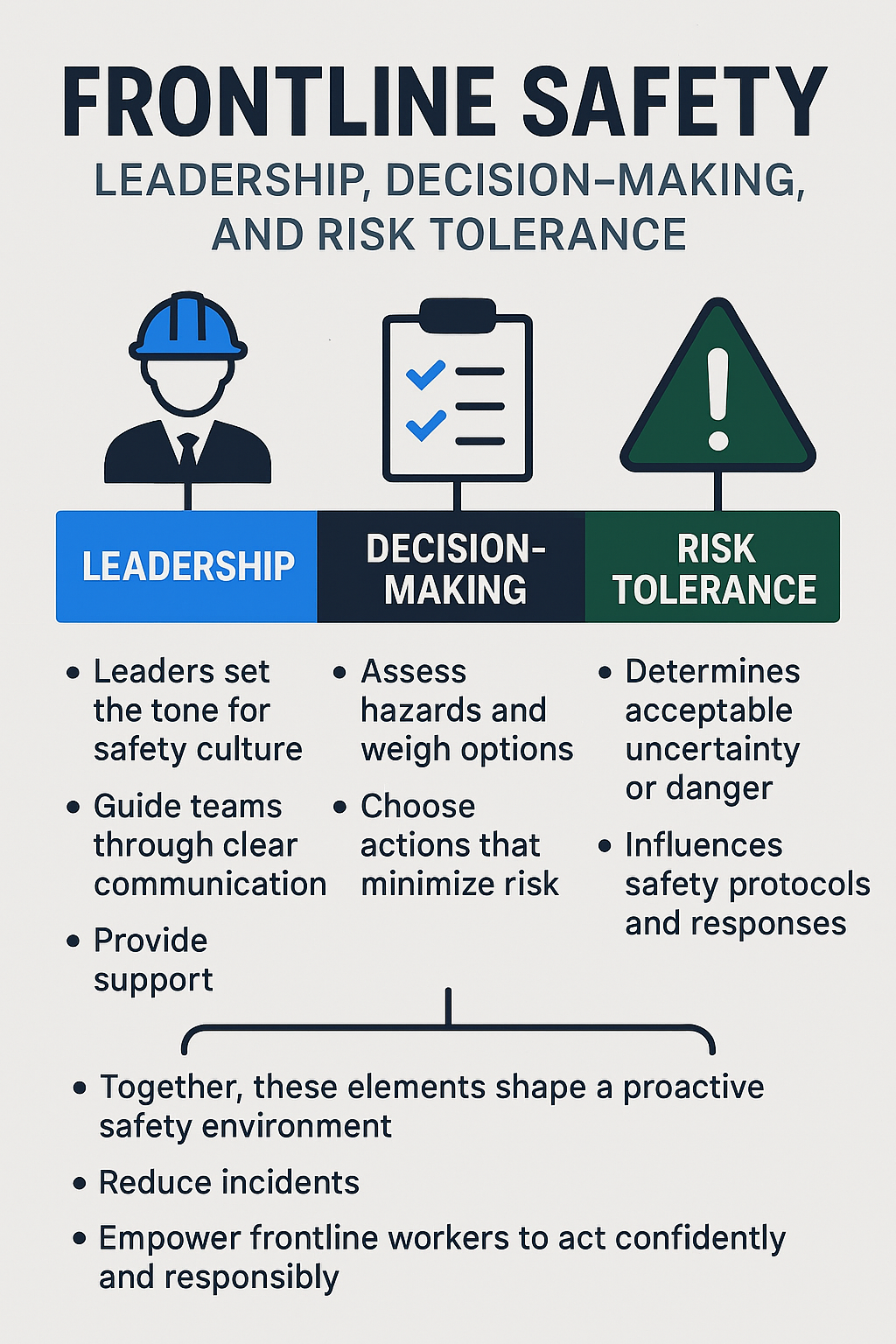
This research study extended current knowledge to further explore means to identify, assess, and affect the safety leadership skills and risk-taking propensity of frontline supervisors in the construction industry. The goal of the research study was to determine how those in frontline supervisory roles can positively influence safety through effective leadership skills and by modelling good safety behaviors and an appropriate level of risk tolerance. In addition, the research aimed to identify ways in which construction organizations can confidently assess these attributes in employees being considered for promotion to frontline supervisory roles.
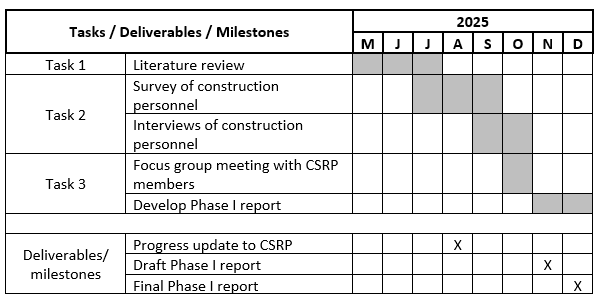
Research questions and methods:
- What frontline supervisor leadership skills and risk-taking behaviors positively and negatively affect safety behavior amongst field workers in construction?
- How can supervisory personnel model good safety behavior to effectively motivate safe behaviors and decisions amongst all construction project site personnel?
- Are there existing resources/tools that have been developed to assess frontline supervisor safety leadership skills and risk-taking behavior in construction, and if so, what are the resources/tools?
Key findings:
- Frontline supervisors are widely recognized as key drivers of safety culture on construction projects. They serve as the primary link between organizational safety policies and day-to-day work activities, making their leadership practices critical to effective safety management.
- Communication is one of the most important leadership behaviors influencing safety performance. Creating an environment where workers feel comfortable reporting hazards and exercising stop-work authority when unsafe conditions arise is critically important.
- While many organizations provide some form of leadership or safety training for supervisors, the structure and consistency of these programs vary widely.
- Leadership and safety training is most effective when it combines classroom instruction with field-based mentoring and practical problem-solving experiences.
Project Documents: